
Affordable?
Yes, it seems like a highly economical vehicle would sell like gangbusters. But if you’re a dealer, that’s not necessarily ideal. . .

By Gary S. Vasilash
Although there is a now-constant refrain that there needs to be more “affordability” in the auto market, some stats from the NADA 2025 Annual Financial profile of America’s Franchised New-Car Dealerships makes me wonder why this would be in the least bit advantageous to the sell-side of the transaction, as in the OEMs and the dealers.
That is, in 2018 the average number of vehicles sold per dealership was 1,028. The average retail selling price was $35,608.
In 2025 the average number of vehicles sold per dealership was 955. But the average retail setting price was $48,205.
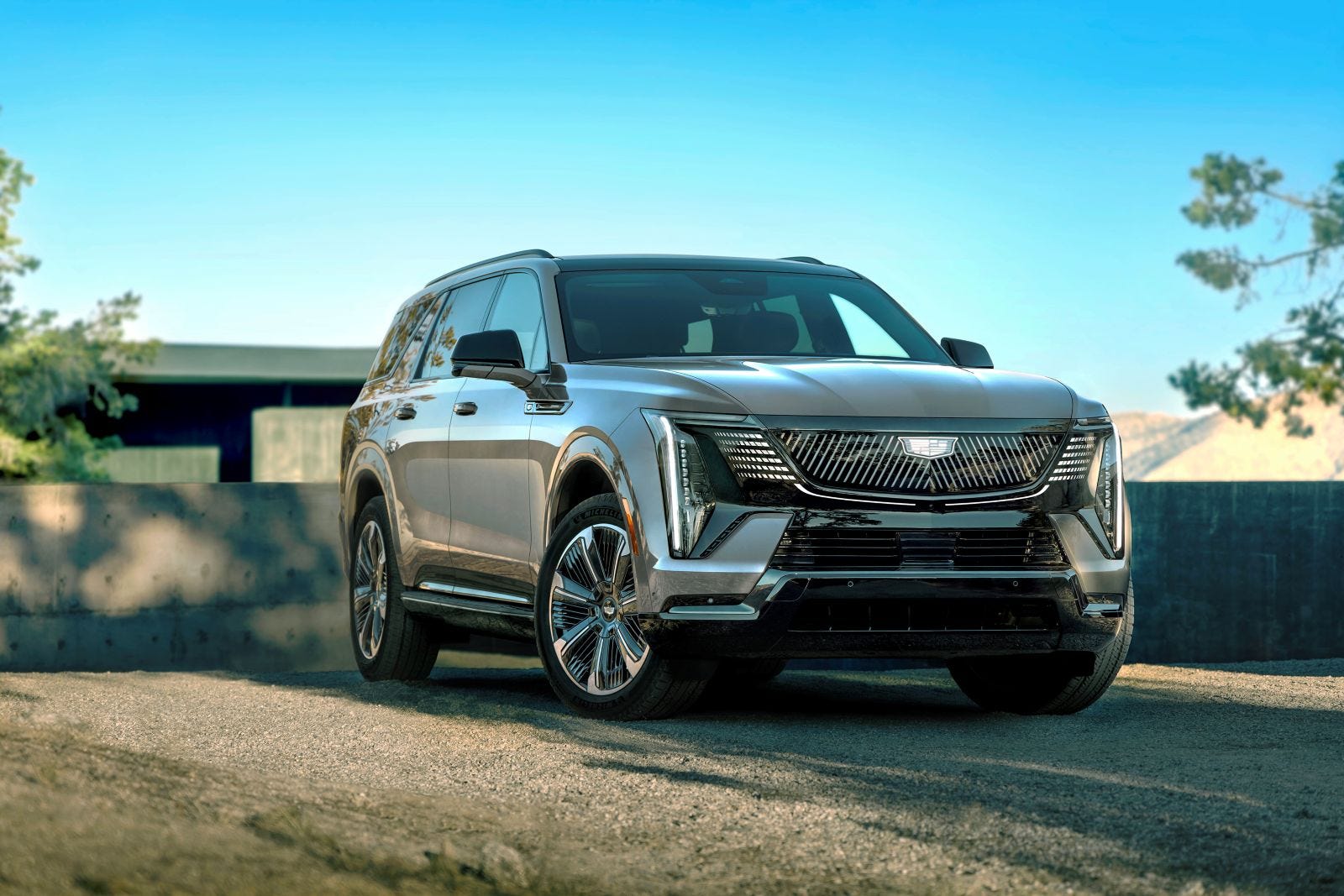
Looked at from the point of view of total revenue, in 2018 it was $36.6 million and in 2025 it was $46 million, or a 25.7% increase in revenue with 7.1% fewer vehicles sold.
Sure, the average 2025 vehicle costs a lot more. But when it comes to the transactions, the 2025 scenario was better from the sales side.
What’s more—and it truly is more—NADA has it that the average dealership revenue in 2018 was $61.23 million and $76.60 million in 2025—or a 25% increase in total dealer revenue.
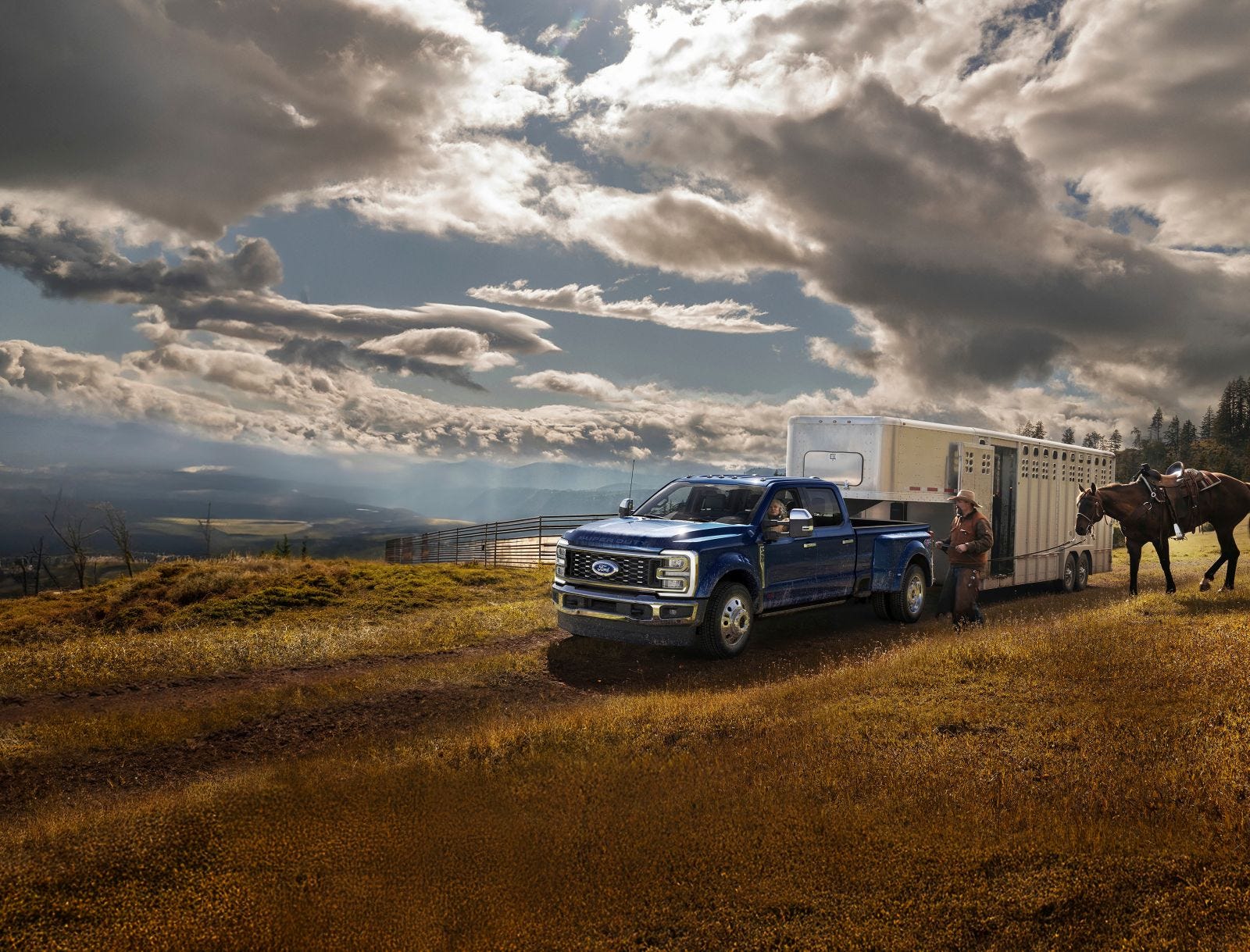
Why “Affordable” Doesn’t Make Dealers Interested
Consider that there was a 35.4% increase in the selling price between the years 2018 and 2025.
Odds are the dealer invoice price—as in what it pays to the OEM for the vehicle—didn’t rise 35.4% but something more along the likes of 15% to 20%.
Consequently, the dealer has a better gross profit per unit.
So it isn’t a matter of selling more. It is a matter of making more.
And more expensive vehicles allow dealers to make more.
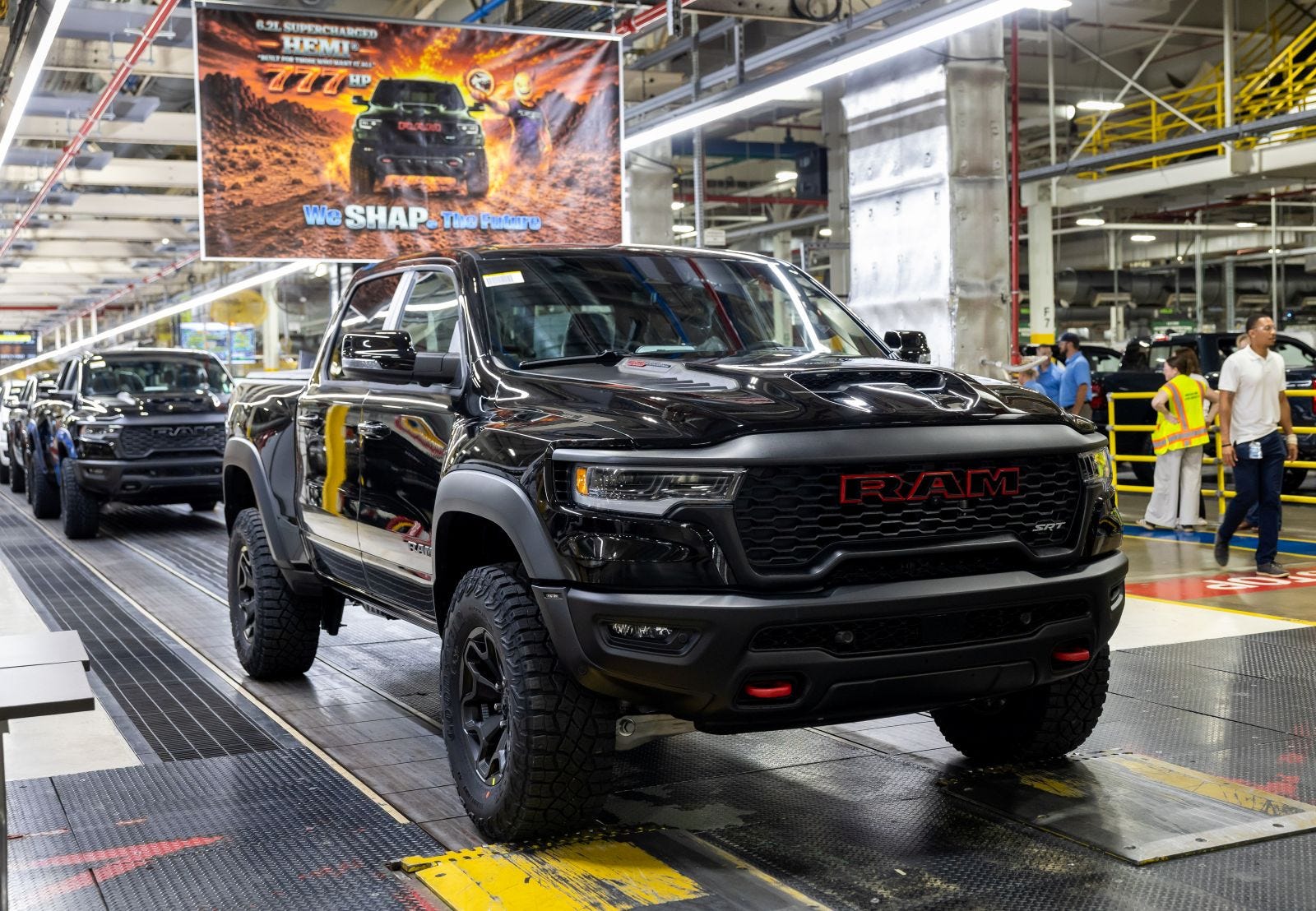
What’s more—and in this case it is less—NADA found that in 2025 new vehicle inventory by day’s supply was 47 days for domestic vehicles and 41 days for imports. Going back to 2018 then the numbers were 76 for the domestics and 54 days for imports. Back then there was more sheet metal to move and so ads blaring “We’re dealin’!” were more true then than now because there are far fewer vehicles to move.

There is one instance where volume is advantageous, which is in service and parts operations (a.k.a., “fixed operations”).
In 2025 the average dealership had $9.7 million in service and parts sales. 16,525 repair orders were written. And there is an average of 16 technicians. (Ever wonder why it takes so long when you bring a vehicle in for some minor service? Wonder no more.)
Arguably, if there are more vehicles sold this could translate into bigger numbers in parts and service.
NADA has it the total service and parts sales per customer repair order is $494 and the total service and parts sales per warranty repair order is $551. Who wouldn’t want more of that?